
Improved bladder and bowel control
Blogs
Holistic Pelvic Floor
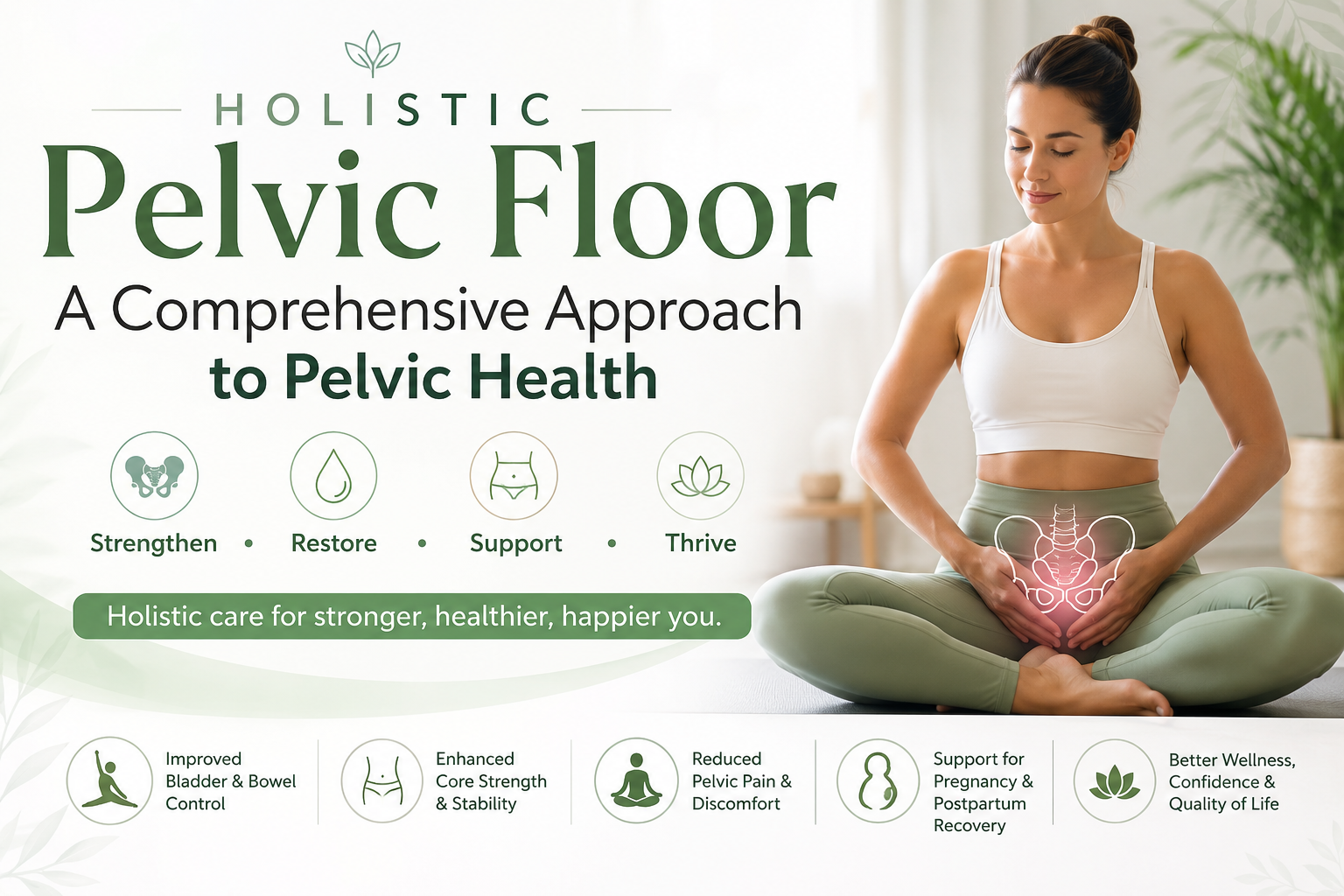
Holistic Pelvic Floor: A Comprehensive Approach to Pelvic Health
The pelvic floor is a group of muscles, ligaments, and connective tissues located at the base of the pelvis. These muscles support important organs such as the bladder, bowel, and reproductive organs while playing a crucial role in bladder control, bowel function, core stability, posture, and sexual health.
A holistic approach to pelvic floor health focuses on treating the whole body rather than addressing symptoms alone, helping support long-term healing, confidence, mobility, and overall wellness.
What Is the Pelvic Floor?
The pelvic floor is a group of muscles, ligaments, and connective tissues located at the base of the pelvis. These muscles support important organs such as the bladder, bowel, and reproductive organs while playing a crucial role in bladder control, bowel function, core stability, posture, and sexual health.
When the pelvic floor muscles become weak, tight, or dysfunctional, individuals may experience symptoms such as urinary incontinence, pelvic pain, lower back discomfort, constipation, or reduced quality of life.
A holistic approach to pelvic floor health focuses on treating the whole body rather than addressing symptoms alone.
Understanding Holistic Pelvic Floor Health
A holistic pelvic floor approach recognizes that pelvic health is influenced by multiple factors, including breathing patterns, posture, movement habits, stress levels, nutrition, and overall physical health.
Instead of relying solely on pelvic floor exercises, holistic care addresses the underlying causes contributing to pelvic dysfunction.
This comprehensive approach promotes long-term healing and improved overall well-being by considering the connection between the mind and body.
Key Components of Holistic Pelvic Floor Care
01
Pelvic Floor Exercises
Targeted exercises help strengthen and improve the coordination of pelvic floor muscles. These exercises can enhance bladder control, support pelvic organs, and improve core stability.
02
Breathing Techniques
Proper diaphragmatic breathing supports healthy pelvic floor function. Coordinated breathing helps reduce muscle tension, improve circulation, and promote relaxation throughout the pelvic region.
03
Posture and Body Alignment
Poor posture can place unnecessary strain on the pelvic floor muscles. Improving posture and body mechanics can help reduce pressure on the pelvis and support optimal muscle function.
04
Movement and Physical Activity
Regular physical activity promotes circulation, flexibility, and muscle strength. Activities such as walking, yoga, stretching, and Pilates can contribute to overall pelvic health.
05
Stress Management
Chronic stress can lead to muscle tension throughout the body, including the pelvic floor. Relaxation techniques such as meditation, mindfulness, and deep breathing can help reduce tension and improve pelvic function.
06
Nutrition and Hydration
A balanced diet rich in fiber and adequate hydration supports digestive health and helps prevent constipation, which can place additional strain on the pelvic floor muscles.
Benefits of a Holistic Pelvic Floor Approach
Enhanced core strength and stability
Reduced pelvic pain and discomfort
Better posture and movement patterns
Increased confidence and quality of life
Improved recovery after pregnancy or surgery
Enhanced overall physical and emotional well-being
Who Can Benefit?
Holistic pelvic floor care can benefit a wide range of individuals, including:
Women during and after pregnancy
Individuals experiencing urinary incontinence
People with chronic pelvic pain
Those recovering from pelvic surgery
Athletes seeking improved core performance
Older adults experiencing age-related pelvic floor changes
Conclusion
A holistic approach to pelvic floor health focuses on treating the whole person rather than just the symptoms. Through a combination of targeted exercises, mindful breathing, proper posture, stress management, nutrition, and healthy lifestyle habits, individuals can strengthen and restore pelvic floor function naturally.
Prioritizing pelvic health not only supports physical comfort but also enhances confidence, mobility, and overall quality of life. By taking a comprehensive approach, individuals can achieve lasting improvements in pelvic wellness and long-term health.
Related Topics
Holistic Pelvic Floor Bellavista
Pelvic Floor Therapy Bellavista
Pelvic Floor Treatment Bellavista
Pelvic Health Care
Pelvic Floor Exercises
Pelvic Floor Rehabilitation
Urinary Incontinence Treatment
Pelvic Pain Treatment
Core Stability Therapy
Pelvic Floor Strengthening
Postpartum Pelvic Floor Care
Pelvic Floor Dysfunction Treatment
Bladder Control Therapy
Bowel Control Improvement
Women’s Pelvic Health
Pelvic Health Clinic Bellavista